By: Miles Duckert
It is believed that Tarot cards originated in Italy in the late 14th or early 15th century. Tarot Decks consist of two sections – the Minor Arcana and the Major Arcana. The Minor Arcana is the basis for the modern deck of playing cards. The minor arcana differs in the face cards and the suit names. As opposed to jack, queen, king – the minor arcana has 4 face cards; page, knight, queen, and king. The Minor Arcana suits are Wands (clubs), Pentacles or Coins (diamonds), Cups (hearts), and Swords (spades).
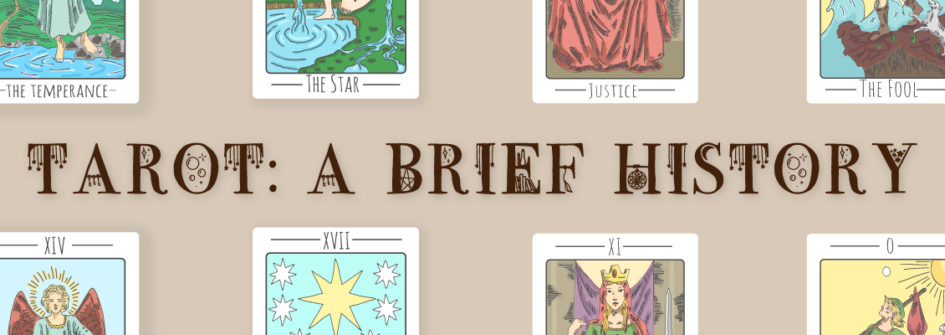
When people think of Tarot cards, they typically think of the Major Arcana. The Major Arcana is a deck of 22 cards each with distinct imagery and meanings. These cards are numbered 0 through XXI (21). The Major Arcana is typically viewed a being more meaningful or powerful when the cards show up in a tarot reading because there are fewer of them and each card is unique and specific.
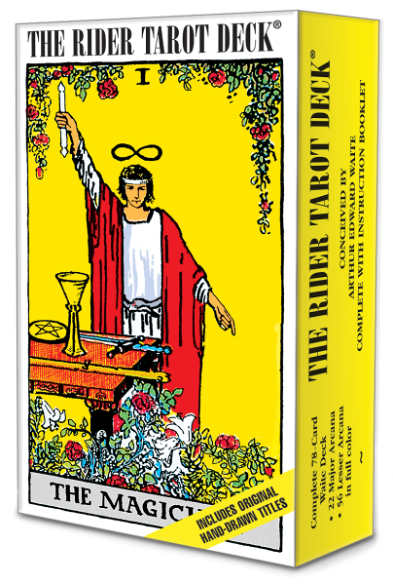
The first major mass-produced Tarot deck is known as the Rider-Waite or Rider deck. When people think of Tarot cards, this deck is the one they think of. Pamela Coleman Smith was the illustrator of the deck based on instructions from A.E. Waite. There is a movement within the Tarot community to officially change the name of the deck to the Waite-Smith deck to acknowledge the work put in by Pamela Coleman Smith which is ignored in the original name of the deck.
Now, if you’re someone who is looking to get into reading Tarot spreads, there are a few things to be aware of. For one, you may see plastered on the internet that you cannot buy your own deck of Tarot cards. There is a belief that Tarot cards hold more power when they are gifted by someone else, however, as Tarot reading becomes more popular and modernized, there’s consensus that you can buy your own cards without affecting the power or effectiveness of the cards reading.
The best way to get started with reading Tarot cards is with “One-A-Day” readings. Simply, you shuffle your deck of cards while asking what to expect from your day and pull a card that feels right, this card will give you an idea of what your day will look like. There are many different ways to interpret the cards, often the meanings aren’t literal, and you will have to look inward to determine what the pull means for you at that moment. Similarly, if a card is pulled reversed (upside down) it has a different meaning from an upright pull – however, I always recommend that beginners don’t work with reversed cards as it adds another layer of complexity to the learning process. I think it is best to begin learning with upright cards, and once you begin to feel comfortable with reading the upright cards, you can add in the reversed card readings.
Finally, some Tarot decks will come with instruction books that will include the meanings of the cards and different spreads that you can read, but many decks don’t include a book like this. Because of this, I recommend the website Biddy Tarot which includes the meanings (upright and reversed) of the cards as well as other free resources to help beginners learn how to read Tarot. https://www.biddytarot.com/tarot-card-meanings/
November 28, 2025 at 6:05 am
That sounds great! Your takeaway is spot-on — simplifying the learning process makes Tarot far less intimidating for beginners. And it’s cool how you tied it to your work on teraboxsmodapk; clear structure and easy access really do make a difference, whether it’s digital tools or spiritual ones. If you’d like, I can help you craft a polished comment, blog snippet, or backlink-friendly version of what you wrote.
October 23, 2025 at 12:35 am
A very helpful article, especially for someone new to tarot card reading.
Fútbol Libre
September 16, 2025 at 11:32 pm
This article is particularly helpful for those just starting out with tarot card readings.
June 19, 2025 at 8:25 am
As a budding Tarot enthusiast, I found this post incredibly helpful! The breakdown of Minor vs. Major Arcana clarified so much, and the advice against reversals early on is wise. It’s also reassuring to know buying my own deck won’t weaken its energy. Biddy Tarot is a gem—I’ll check it out! Thanks for this insightful and encouraging guide.
June 19, 2025 at 8:23 am
I didn’t realize Tarot suits (Wands, Cups, etc.) were linked to modern playing cards—what a cool connection! The Rider-Waite deck’s imagery is so iconic, and it’s refreshing to see the push to rename it Waite-Smith. Your tips for beginners are spot-on; starting with single-card pulls is much less intimidating than complex spreads.
June 19, 2025 at 8:19 am
This is such a well-explained guide for Tarot beginners! I love how you clarified the myth about not buying your own deck—it’s a common misconception that discourages newcomers. The “One-A-Day” reading tip is brilliant for easing into Tarot without feeling overwhelmed. Also, the insight on reversed cards makes sense—starting simple is key. Biddy Tarot is indeed a fantastic resource
April 22, 2025 at 12:01 am
Great breakdown of the history and structure of Tarot cards! I especially appreciated the beginner-friendly tips like starting with upright cards and “One-A-Day” readings — super helpful for those just getting into it. I came across a similar learning approach while organizing tools on my site, teraboxsmodapk, where I focus on simplified access to digital resources. Looking forward to exploring more posts like this!
April 8, 2024 at 7:27 am
Very helpful article especially for a person new to tarot card readings.
November 11, 2023 at 12:50 am
Daily readings can also have 3 cards. This way the message is much more powerful.