I recently read an article in my daily newspaper about the International Center for Media and the Public Agenda asking 200 University of Maryland, College Park students to give up cell phones, iPods, TV, radio, computers, and even magazines and newspapers for one day. Yup, 24 hours unplugged. (Oh, the horror!)
The students blogged about their “Day Without Media” experience when it was over. You can read all about it, including their comments. And what do you suppose they said? The short version, as I read it, is that they suffered like their life support tubes had been squeezed. That must be why that young woman behind the wheel yesterday almost ran into me instead of stopping at the stop sign–she was too busy sucking at the life support through her cell phone… Ahem. Distracted driving is a topic for another blog, I guess.
Could you do it?? Some student comments revealed unexpected benefits:
“Studying was a million times more productive without the media distracting me with texts, calls, Facebook, email, games and other random internet sites.”
“I was very productive in my schoolwork and I was able to get ahead this week with all my midterms coming up.”
“I must say a good thing that came out of this assignment was I was able to be more aware and [knowledgeable about] my surroundings while I walked to and from class. By not being able to listen to my iPod, I could hear natural sounds like birds chirping or … people calling my name.”
“This assignment allowed me to take a step back and reflect. I probably had more ‘thinking time’ that day than any day spent at college.”
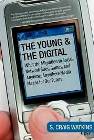 Interested in more information about the social effects of media and the Internet? Andersen Library has resources. Searching the HALCat online catalog will find titles such as The young and the digital: What the migration to social-network sites, games, and anytime, anywhere media means for our future and 24/7: how cell phones and the Internet change the way we live, work, and play.
Please ask a librarian for assistance with finding materials.





 Like to learn more? Andersen Library can help! Search the